Performance Marketing · 2024 – 2026

Paid social with screenshots to prove it.

Three documented case studies. Real Ads Manager data, honest challenges, and the actual creative that moved the needle. No vanity metrics — just what worked, what didn't, and what I learned.

3+
Industries Scaled
$0.50
Lowest CPL (SaaS)
1.5x
ROAS Held While Scaling
2,256
Free Trials Generated
Case Study 01 / 3D Printing · Local Retail

WonderFab — demand we couldn't fulfill.

Santo Domingo, DR Brand New Launch 15-Day Campaign
The Outcome
15
Days Live Before Forced Pause
STOPPED
Production Capacity Maxed Out
7
Carousel Creatives Tested

Brand-new 3D printing shop in central Santo Domingo with zero brand recognition and a niche product most locals had never bought before.

The goal: drive inbound quote requests through WhatsApp and the website without burning runway. Modest budget. Conversions, not impressions.

Category education on top of a local-only product.

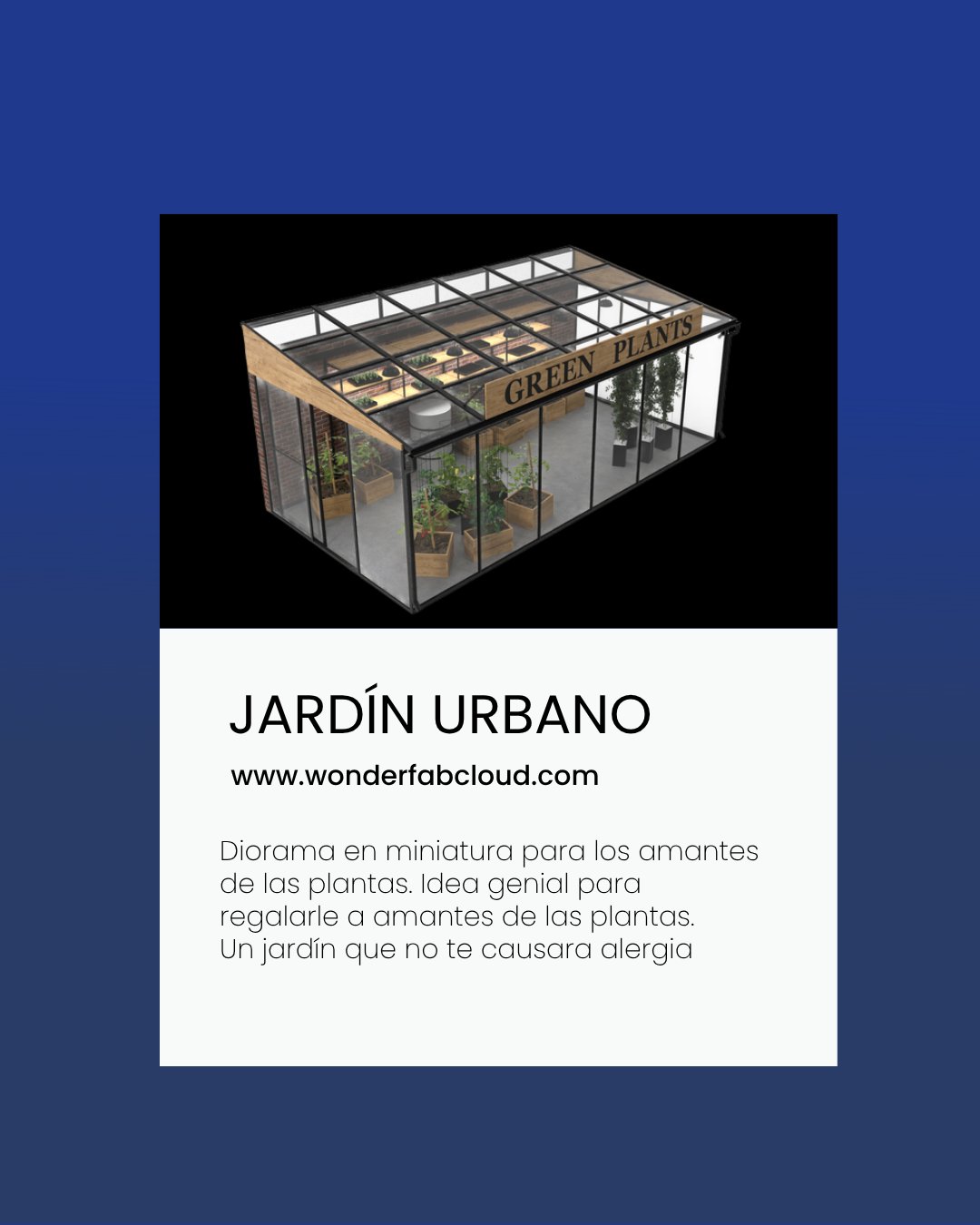
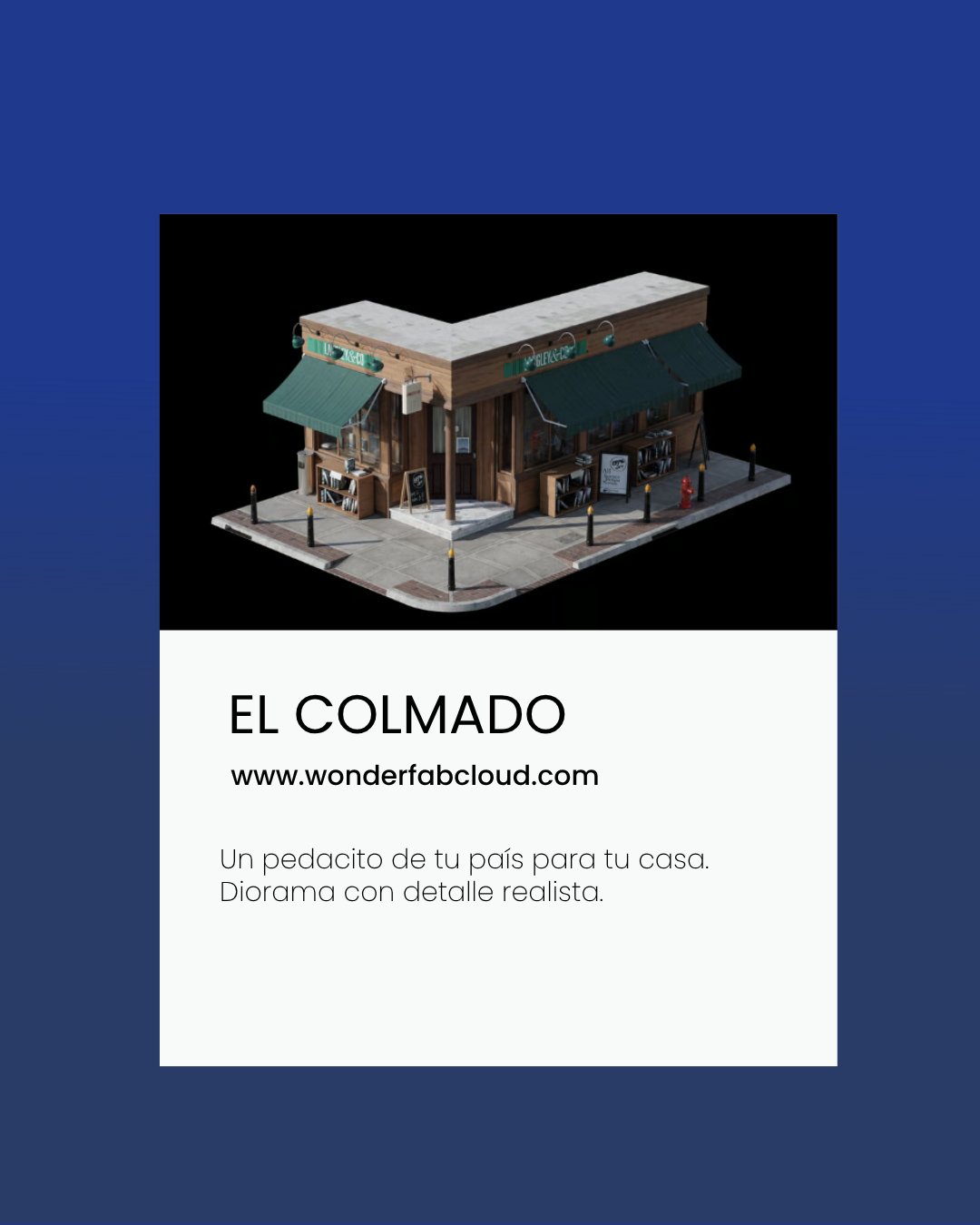
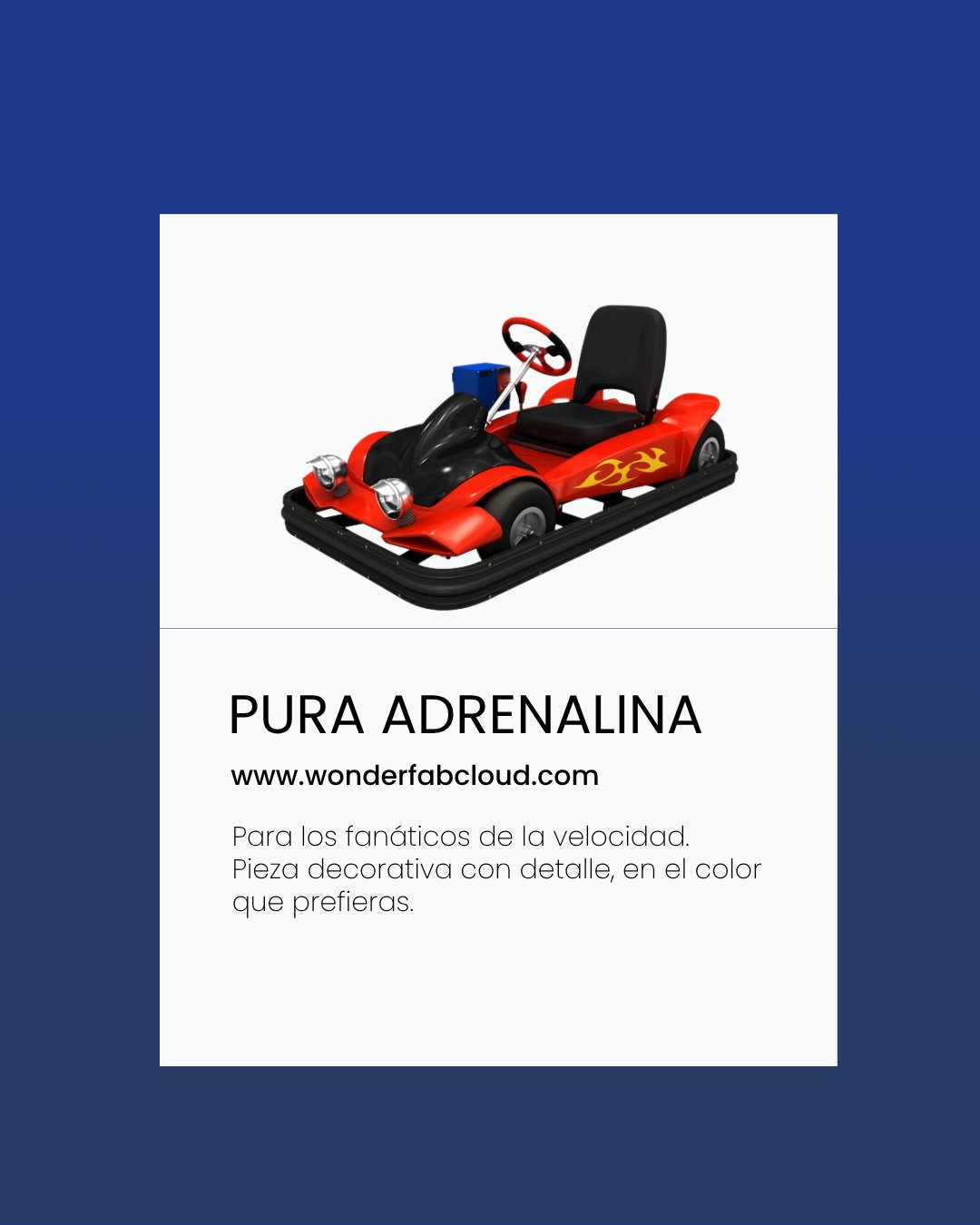
3D printing wasn't a known retail category in the Dominican market. The carousel had to teach what 3D printing can decorate and sell the specific pieces — gardens, colmados, karts, off-road buggies — that fit Dominican homes and gift culture.

Built the carousel around concrete use-cases instead of the printer itself. Each slide was a finished product with a name, a website, and a one-line emotional reason to buy.

  • Single Sales objective campaign with WhatsApp + website conversion events as primary optimization.
  • Geo-locked to Santo Domingo + 15km radius — kept relevance score high and CPM low.
  • Carousel format chosen over single image so each scroll showed a different use-case personality.
  • Slides ordered: educational hook → product variety → hard CTA.
Sales Objective Carousel Format WhatsApp CTA Local Geo-targeting

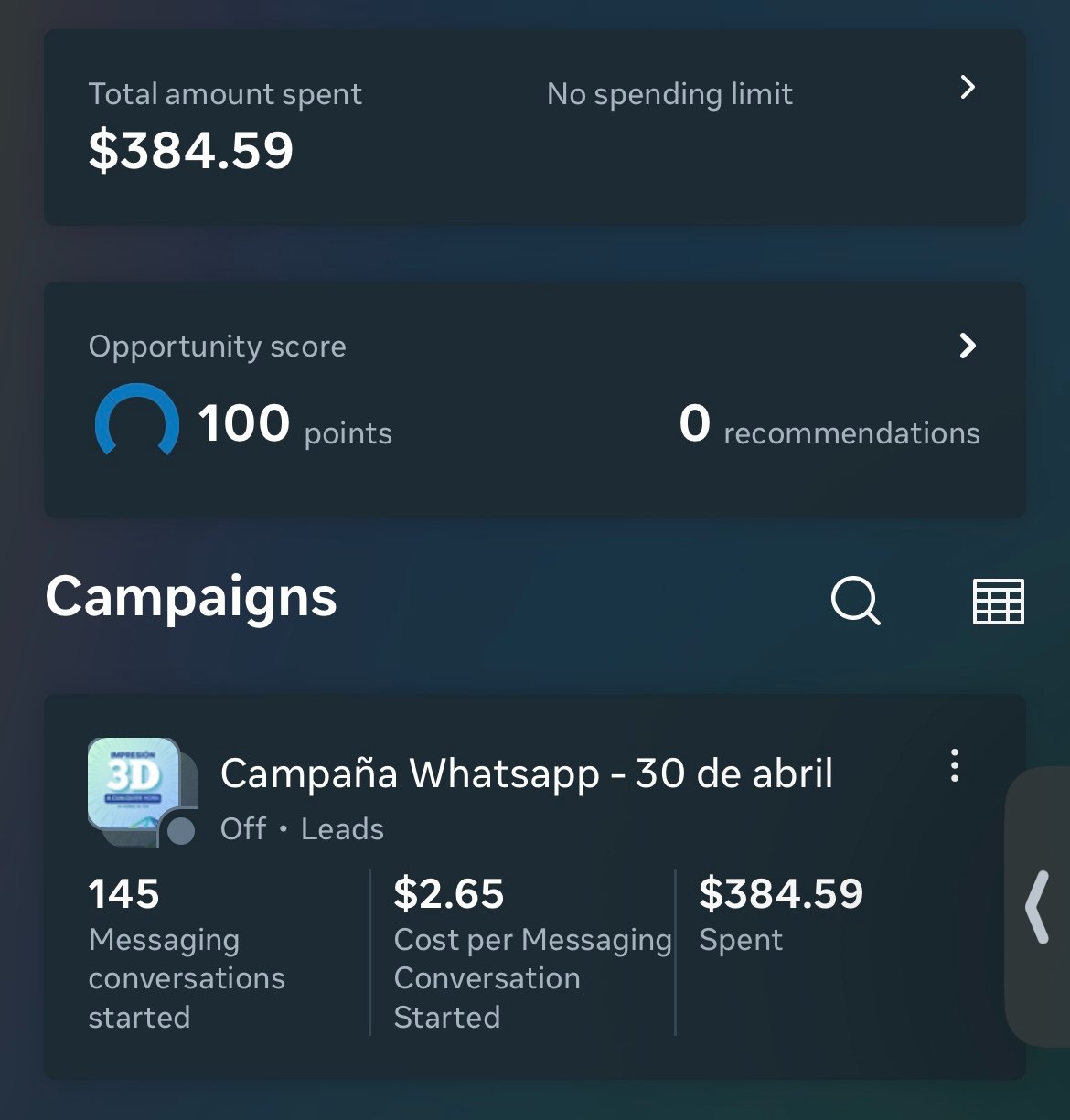
Campaign paused after 15 days. Not because it failed — because it worked too well.

Inbound quote volume exceeded the shop's printing capacity within two weeks. The WonderFab team made the right call: stop spending, fulfill the backlog, scale operations, then re-open the ad account.

What portfolios usually hide The hardest part of running paid social for a brand-new physical-product business isn't getting clicks — it's making sure ops can absorb the demand. I now stress-test fulfillment capacity with every new client before launch. This account taught me that.
Case Study 02 / B2B SaaS · Fintech / RegTech

Neural Facturación — $0.50 free trials.

Dominican Republic $1,800/mo Budget Cold Launch · Zero Customers
The Numbers
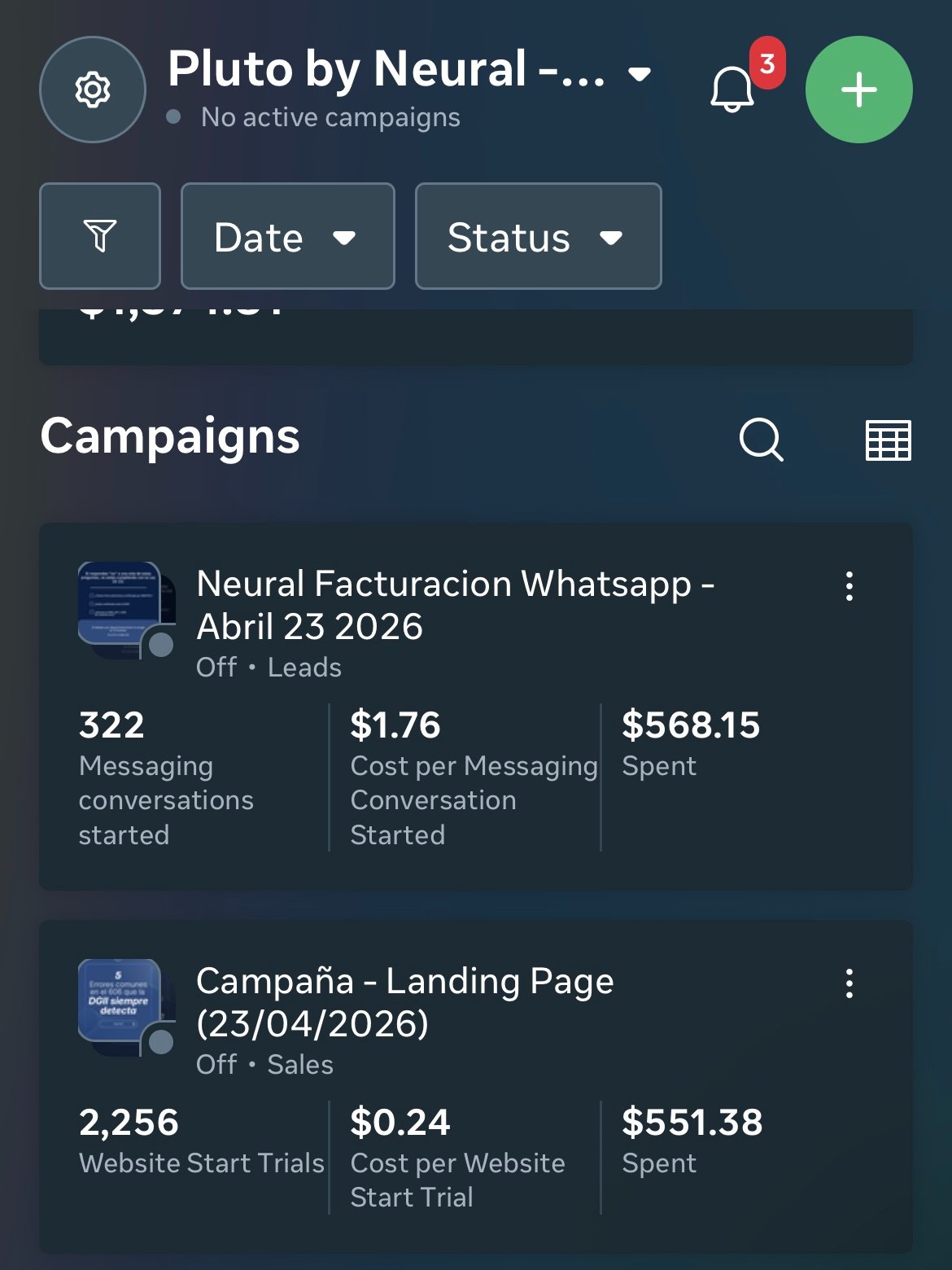
2,256
Free Trial Signups Generated
$1,129
Total Ad Spend
$0.50
Cost Per Free Trial

Launch paid acquisition for a brand-new DGII-certified electronic invoicing SaaS in the Dominican market — starting from zero customers.

The product solves a regulatory pain (Ley 32-23 compliance: e-CF, 606/607/608 reporting, INDOTEL digital signature). Subscription pricing starts at $19/month. Monthly ad budget capped at $1,800.

Holding cost per result down as volume scaled — the classic SaaS paid-acquisition trap.

With a $19/month entry tier, anything above ~$3 cost per free trial kills unit economics after factoring in trial-to-paid conversion. Highest Volume bidding ballooned CPL as we increased budget. Needed a bid that protected the CPL ceiling without choking delivery.

Solution: Cost Cap bid strategy with a target set just under the true CPL ceiling. Cost Cap lets Meta optimize while enforcing an average cost target — exactly what subscription products need at scale.

  • Two audience splits: SMB owners worried about DGII fines, and accountants/auditors who resell the software to their clients.
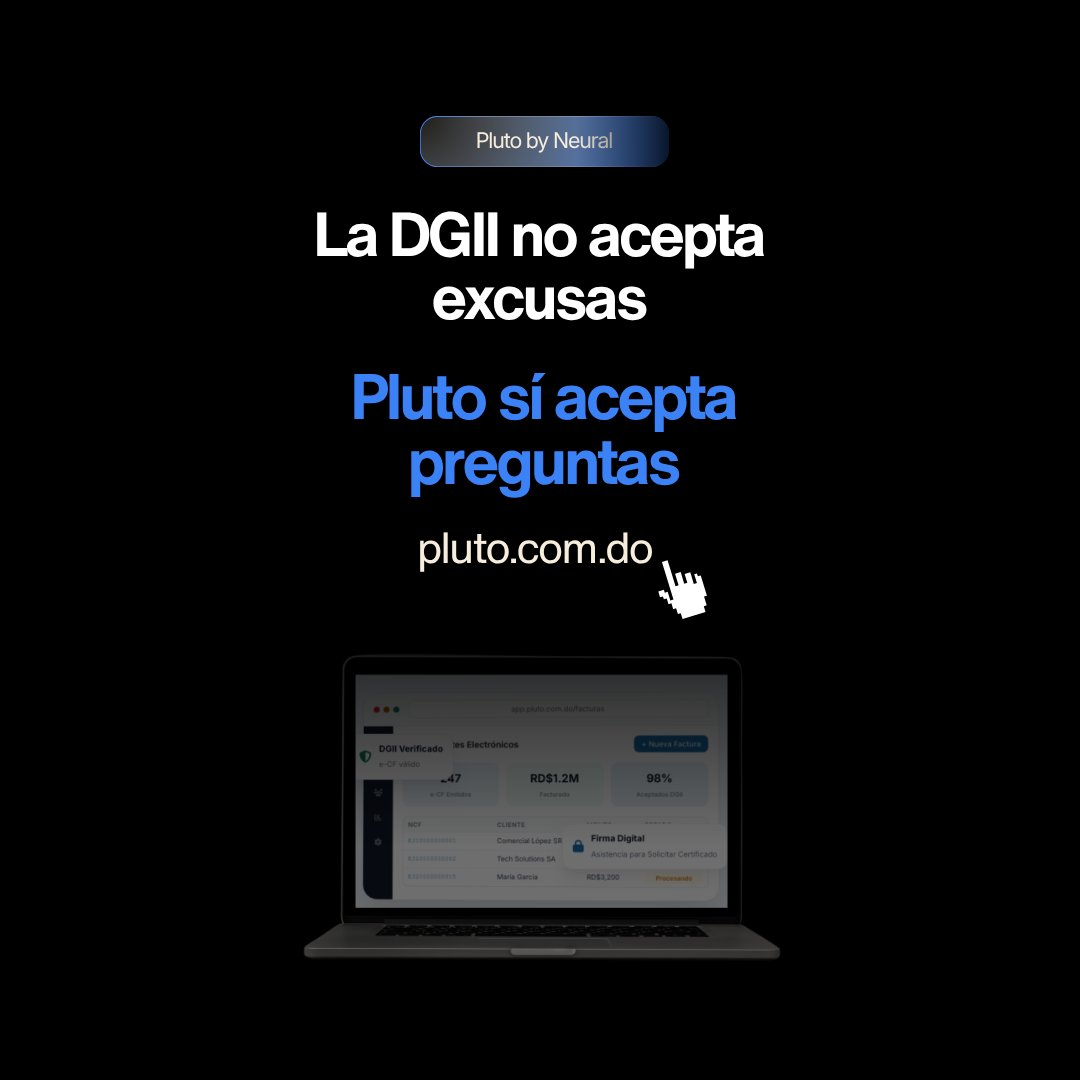
  • Creative angle for accountants: "Tu cliente paga el software. Tú te quedas con las horas." — flipped the cost objection into revenue.
  • Compliance-checklist creative tapped urgency: "If you answer no to one of these, you're not complying with Ley 32-23."
  • Bid strategy: Cost Cap, set ~15% below the CPL break-even ceiling. Re-evaluated weekly.
  • Landing → free trial flow, no credit card required at signup.
Cost Cap Bidding Audience Split Testing Static Creatives Lead Magnet Funnel

2,256 free trials from $1,129 spent. CPL held at $0.50 — well under budget ceiling.

A meaningful percentage of those free trials converted to paying subscriptions, giving Neural a positive return on ad spend within the first billing cycle. The account went from zero customers to a self-sustaining acquisition channel in under 60 days.

The real takeaway The "winning" creative wasn't the prettiest one — it was the compliance checklist that made readers feel personally exposed to a regulation they hadn't fully understood. Performance creative is psychology first, design second.
Case Study 03 / DTC E-commerce · Health & Wellness

Mossshi — scaled 55%, held 1.5× ROAS.

United States Market Skincare + Supplements Ongoing Account
The Numbers
+55%
Spend Scaled Month-Over-Month
1.5x
ROAS Held (Break-even = 1.0)
124+
Purchases Tracked In Window
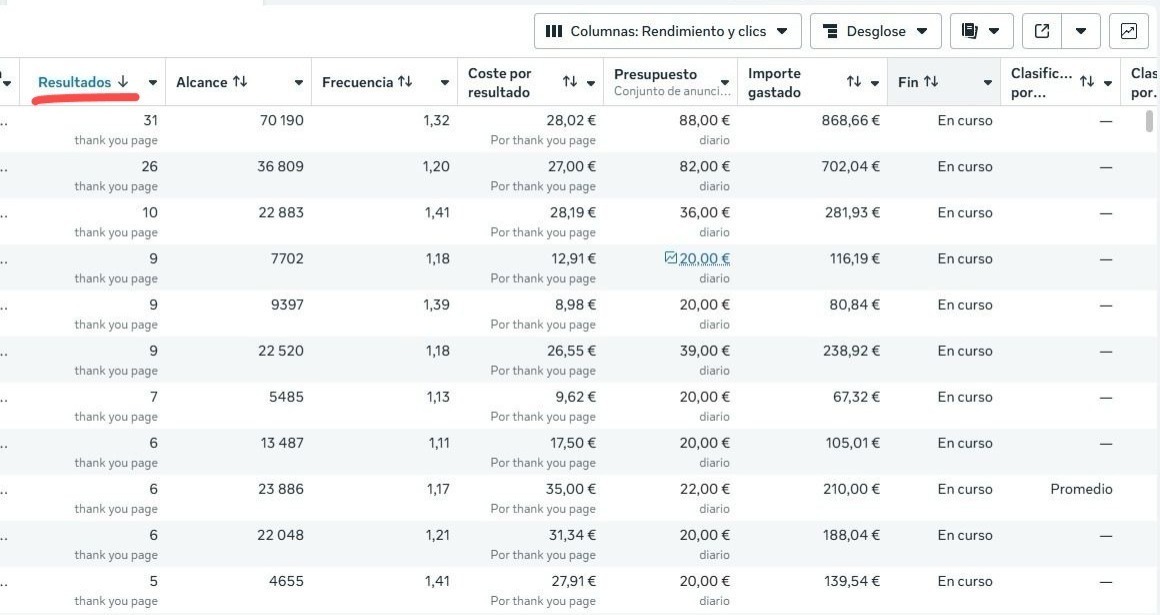
Ads Manager — Live Campaign Performance (Sorted by Results)
Mossshi Ads Manager screenshot showing campaign results

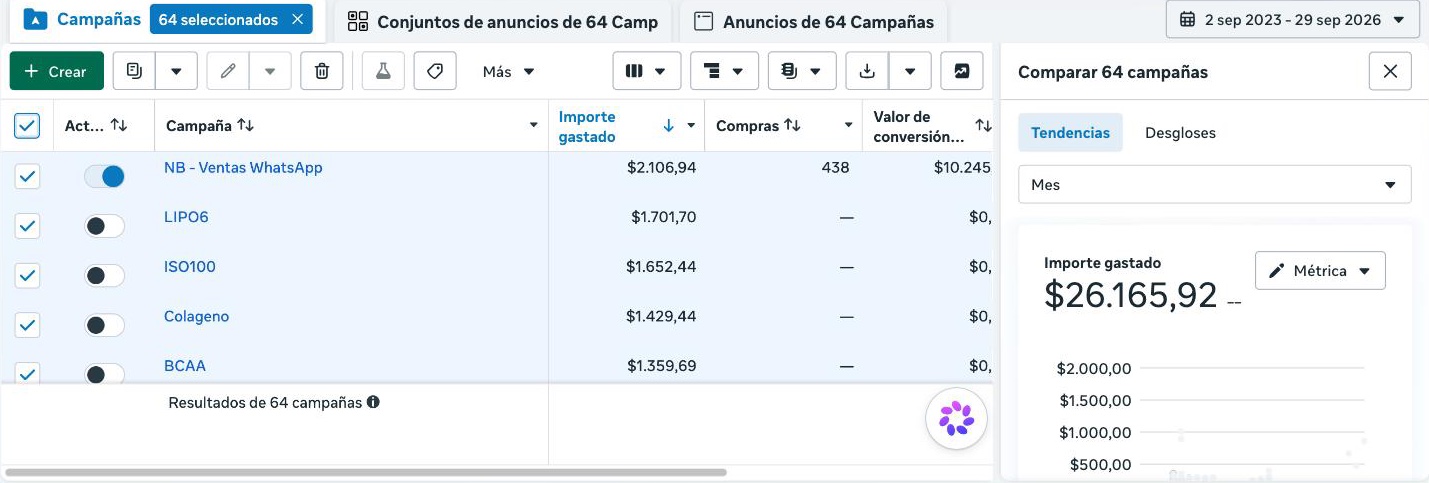
Real screenshot from active campaigns. Conversion event: Thank You Page. Top performer: 31 results at €28.02 CPA, 70,190 reach, 1.32 frequency.

Take a US-based DTC brand selling skincare and wellness supplements from a stalled ad account to consistent, profitable scale.

The brand had product-market fit but no consistent acquisition. The ask: prove paid social could scale spend without collapsing return — in a category where most accounts hit a ceiling between 1.2× and 1.8× ROAS.

Defending ROAS while pushing spend up — the e-commerce scaling paradox.

Every paid social operator knows the curve: ROAS stays clean at $20/day, collapses at $200/day. Scaling spend 55% while holding 1.5× ROAS in US wellness — a category dominated by Hims, Ro, and AG1 — meant fighting for every conversion against deep-pocketed incumbents.

Approach: separated the account into a stable "core" of profitable adsets I left alone, and a "scaling" surface where I tested aggressively. Most of the kill-rate happened in the test surface; the core kept the floor intact.

  • Restructured account into Core (stable, never touched) + Test (where I scale and kill). Stopped touching what was working.
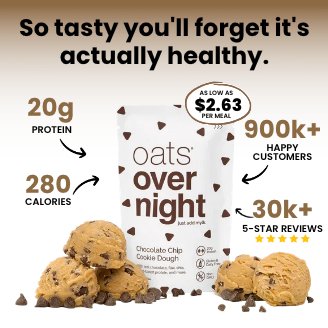
  • Built creatives around the "Oats Overnight" UGC-meets-infographic format: bold benefit headline, claim icons, social proof numbers, lifestyle product shot.
  • Conversion campaigns optimized for purchase (Thank You Page conversion event as primary signal — visible in screenshot).
  • Tightened audiences to high-intent interest stacks + 1% LAL of purchasers, then broadened only after test surface stabilized.
  • Frequency monitored weekly — kept under 1.5 across visible window to fight creative fatigue.
Conversion Campaigns Static Creative Core + Test Structure LAL Audiences

Account still in-flight ("En curso" in screenshot) — 124+ tracked purchases in visible window, ROAS holding 1.5× as spend climbed.

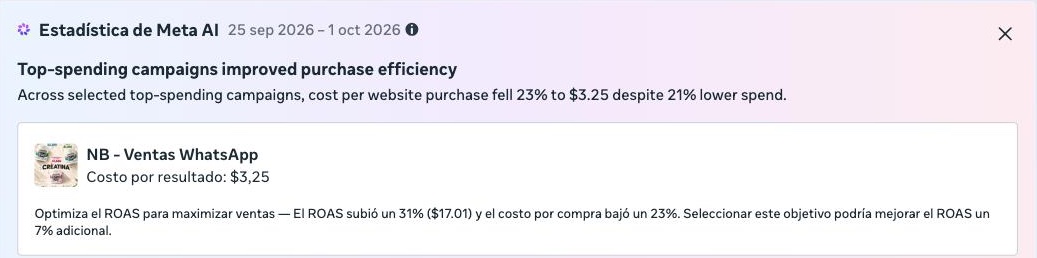
Average cost per result across visible adsets sat between €8.98 and €35, with the top performer delivering 31 conversions at €28 CPA on €88/day. Reach hit 70k+ on the top performer with frequency held at 1.32.

Honest framing 1.5× ROAS isn't a unicorn number, and I'm not dressing it up. For a US wellness DTC operating against unlimited-budget incumbents, holding 1.5× while actively scaling spend 55% is the genuinely hard part. Most accounts in this category lose ROAS as they scale. This one didn't.
Field Notes

On Andromeda — what actually changed.

Andromeda — Meta's new delivery system — isn't broken. Most accounts hitting "ten creatives, only one spends" aren't suffering an algorithm problem. They lost visibility into how their creatives are actually structured. Here's how I'm running accounts under it.

i.

Simpler structure wins.

The 1-3-1 / 1-5-1 era is over. Andromeda learns inside a single block: 1 campaign, 1 ad set, 8–12 creatives. No budget cannibalization, no slow learning, no guessing which creative actually carried the win.

ii.

Variety, not variations.

Andromeda groups creatives by hook, visual pattern, pacing, and messaging. Ten "different" ads built around the same idea are read as one — so spend collapses into 1 or 2, and the rest stays stuck in learning forever. The fix isn't more creatives, it's more taggable differences.

iii.

Scale at +20%/day, not overnight.

Andromeda can handle bigger budgets — but only if you let it adjust. Daily 20% increases keep CPA stable. Overnight doubles break the system instantly and force a re-learn from zero.

iv.

Diagnose the winner before killing the loser.

Before you kill a creative or let it run, ask what specifically inside the winning creative is performing — and what's missing from the others. Skip that step and you'll kill winners early or scale things you don't actually understand.

v.

Patience is now a skill.

Old-structure accounts still collapse mid-month. Disciplined Andromeda accounts stay flat or trend up. The difference isn't algorithm magic — it's operator behavior.

vi.

The new creative brief.

Stop briefing "10 videos." Start briefing 3–4 distinct hooks × 3 formats (UGC, polished, static) × different emotional triggers. That's what creates real exploration the algorithm can read.

Stop thinking "how many creatives." Start thinking "how many taggable differences." That's what Andromeda actually reacts to.

Your ad account, diagnosed honestly in 30 minutes.

I take on a small number of accounts each quarter. If you're scaling DTC, B2B SaaS, or a local service brand and want a Meta operator who'll tell you what's actually broken — let's talk.

Book a call